







Search Results for: Coffee Drinking Details
The correct way to drink coffee and etiquette details, plus how to find the cup that suits your personal taste
When you pick up a cup of hot coffee, do you casually blow on it to cool it, sip it with a coffee spoon, or alternate between a pastry in one hand and coffee in the other? These seemingly natural actions may be stepping right into the no-go zones of coffee etiquette. This article starts with details such as holding the cup, adding sugar, stirring, blowing to cool, and eating pastries, to sort out a proper way to enjoy coffee, and also discusses how to accommodate coffee lovers' habits when hosting guests at home or being a guest. The second half turns its gaze to flavor itself: from the bitterness of the first sip, to repeatedly searching for that cup of coffee that intoxicates you, and then to customizing a personal coffee step by step in a coffee shop, including options such as hot or iced, decaf, ESPRESSO dose, syrup, milk type, and personalized requests, with recommendations from Front Street Coffee attached. [more…]
Health Benefits and Drinking Contraindications of Yunnan Coffee: Details to Note When Pour-Over Brewing Yunnan Coffee and Front Street Recommendations
Yunnan coffee not only has a unique flavor, but when consumed in moderation, it can also bring multiple health benefits such as refreshing the mind and relieving stress. However, improper drinking methods may also trigger adverse reactions such as palpitations and insomnia. It is recommended to keep daily caffeine intake within 250 grams, roughly equivalent to two cups of coffee. This article provides a detailed overview of the precautions for drinking Yunnan coffee, including drinking time, concentration control, and interactions with medications, while also introducing the clever uses of Yunnan coffee in sobering up, removing odors, cleaning, and more. For friends who love pour-over coffee, we also especially recommend Front Street brand's Yunnan beans, and remind you to avoid mistakes such as drinking on an empty stomach or before bedtime, so that every cup of coffee becomes an enjoyment of health and deliciousness. [more…]

How can you make pour-over coffee present a green tea-like mouthfeel and sweet aftertaste? Front Street shares three brewing details.
People often say a certain coffee has a "tea-like" quality, yet when you buy it and brew it at home, you can never quite reproduce that flavor—either it turns out bitter, or it has the floral and fruity notes but doesn't taste like tea. What exactly is the tea-like quality in coffee? Which beans are more likely to express this character? Front Street Coffee believes the key lies in three extraction details: choosing a flat-bottom dripper to create an immersion effect, increasing the water volume to promote the release of compounds in the tail end, and reducing the flow rate to extend the extraction time. This article uses an Ethiopian washed Kafa Forest as an example to fully demonstrate a brewing recipe that can bring out a green-tea-like fresh aroma and sweet aftertaste, breaking down everything from parameters to technique, helping you turn "tea-like" from a description into a real taste in your cup. [more…]
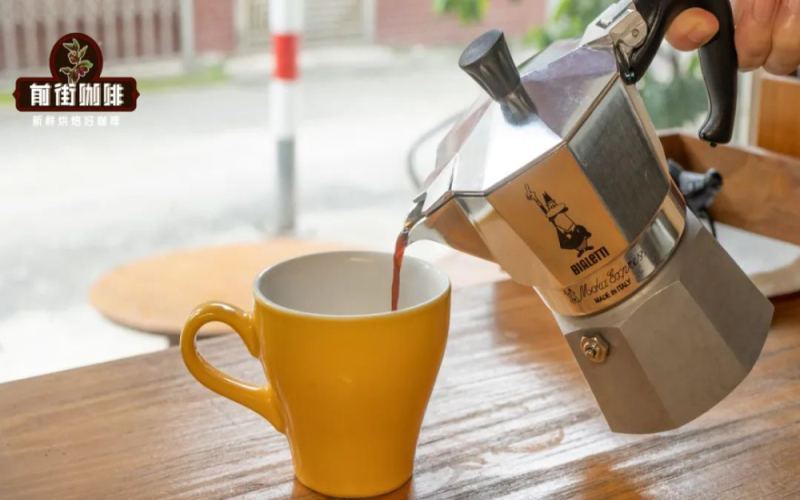
Why Should a New Moka Pot Be Boiled Empty Three Times Before First Use? A Full Explanation of the Seasoning Principle and Usage Details
Friends who have just gotten their hands on a moka pot often see a tip in tutorials: before officially using a new pot, you need to do a trial brew two or three times, and the brewed coffee liquid should be discarded directly. What is the reasoning behind this practice? In fact, for the seasoning process of a new moka pot, it is not recommended to use only clean water for the trial brew, because without the resistance of coffee grounds, hot water can easily splash under pressure, posing a scalding hazard. The main purpose of the first few trial brews is to clean the internal gaps of the pot and any impurities that may remain, so Front Street recommends discarding the liquid from the first three brews rather than drinking it. If you want to reduce waste, you can also use old dark-roast stale beans to season the pot, and once the cleaning effect is achieved, switch to fresh beans for official extraction. In addition, there are many details worth paying attention to when using a moka pot, such as water volume control, grind size selection, filling the filter basket, and daily cleaning and maintenance, all of which directly affect the extraction results and safety of use. [more…]
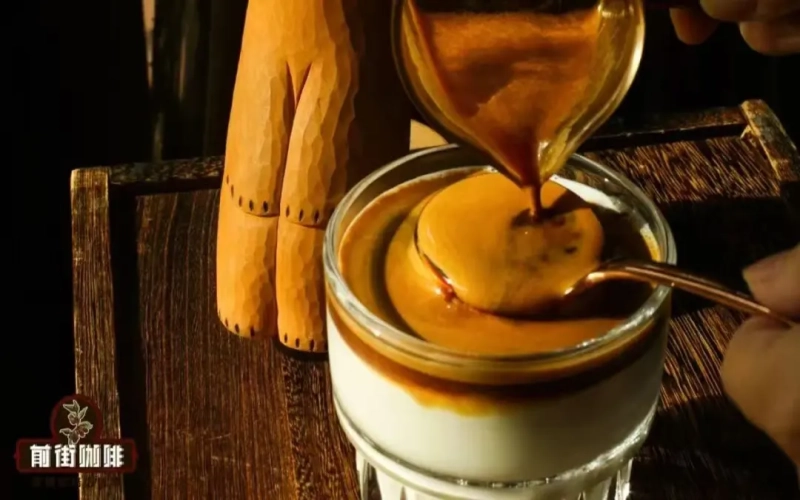
Why Dirty Coffee Doesn't Layer: Master Three Key Details to Make a Perfectly Layered Dirty Coffee
Dirty coffee may seem to require only two ingredients—milk and espresso—but the actual preparation hides a fair amount of know-how. Many people who try it at home often run into problems like no layering or overly blended flavors, and the result falls far short of what a coffee shop produces. In fact, as long as you avoid three common pitfalls—ignoring the layering, choosing the wrong cup, and adding ice blindly—you can easily make a Dirty with distinct layers and a strong contrast between hot and cold. Front Street Coffee will combine real brewing experience with a classic blend bean to break down the principles behind every detail and the correct methods, helping you make a dirty coffee even better than a café's. [more…]
Global Top Ten Classic Coffee Drinks Flavor and Preparation Guide, with Professional Tasting and Etiquette Details
The world of coffee is rich and diverse, from bold, rich mocha to refreshing coconut flavors, each with its own unique brewing method and drinking culture. This article systematically reviews ten common coffee drinks from around the world, detailing their flavor characteristics and preparation steps, and delves into coffee drinking etiquette, the use of cups and spoons, ways to add sugar, and tips for tasting a good cup of coffee. Whether you are a beginner enthusiast or a seasoned coffee lover, you will find practical knowledge and inspiration here. Front Street Coffee has always been committed to promoting specialty coffee culture, and we hope this article helps you enjoy every cup of coffee more professionally. [more…]
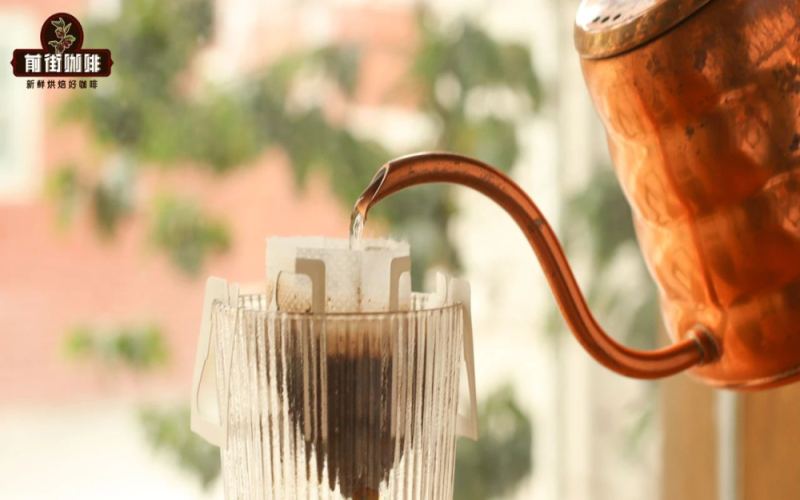
How to brew drip bag coffee so it tastes good? A full breakdown of Blue Mountain flavor brewing key points and operational details
Drip bag coffee, with its combination of convenience and freshness, has become the preferred way for many people to drink coffee daily. But to truly brew a cup of drip bag coffee with full flavor and balanced taste, every step—from tearing open the packet and hanging it on the cup to pouring water and blooming—has its own finer points. This article takes Front Street Coffee drip bags as an example to break down in detail the correct brewing process for drip bag coffee, including key details such as recommended water temperature, coffee-to-water ratio, and pouring technique. It also explains how coffee bean freshness and grind size affect flavor, and recommends three classic coffee beans suitable for making drip bags, helping coffee lovers easily recreate a good cup of coffee at the office or at home. [more…]
How to brew pour-over coffee grounds to make it taste good? Analysis of nine detailed mistakes beginners often make
Many friends who are just getting into pour-over coffee encounter this confusion: they've bought the same beans as the café uses and followed the brewing recommendations, yet the cup they make tastes far different from what they had in the shop. In fact, the problem often isn't about how advanced your technique is, but rather a few easily overlooked small details. From purging the grinder before grinding, filter paper fitting, and the force of tapping the grounds, to checking before pouring, water temperature control, and bloom saturation, and further to executing parameters, observing the coffee bed, and swirling before drinking—every step can sway the final flavor in the cup. Front Street Coffee has put together nine details that beginners most easily overlook, to help you eliminate unstable factors at the source and bring every brew closer to the ideal taste. [more…]
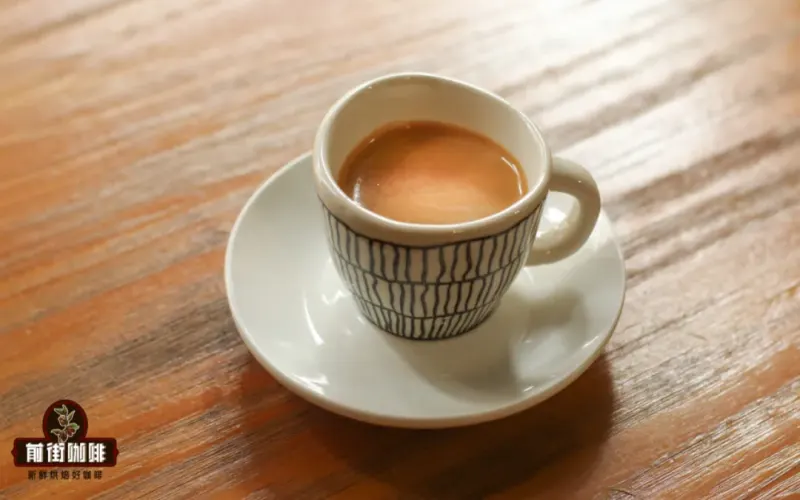
Why Does Espresso Crema Clump and Harden? Don't Ignore These Details When Extracting Espresso
Many friends have told Front Street Coffee that when making milk coffee, although the espresso crema is thick, it is as stiff as whipped cream and lacks fluidity. This kind of crema not only tastes bad, but also becomes an obstacle when doing latte art. In fact, clumping and hardening of crema is usually closely related to timing and material selection. This article starts from actual cases received by Front Street Coffee and analyzes several common factors that cause espresso crema to harden, including leaving it too long after extraction, and material issues such as coffee beans and grinding, and provides practical solutions such as stirring to restore it, helping you grasp the golden window for using espresso and make smooth, delicious milk coffee. [more…]
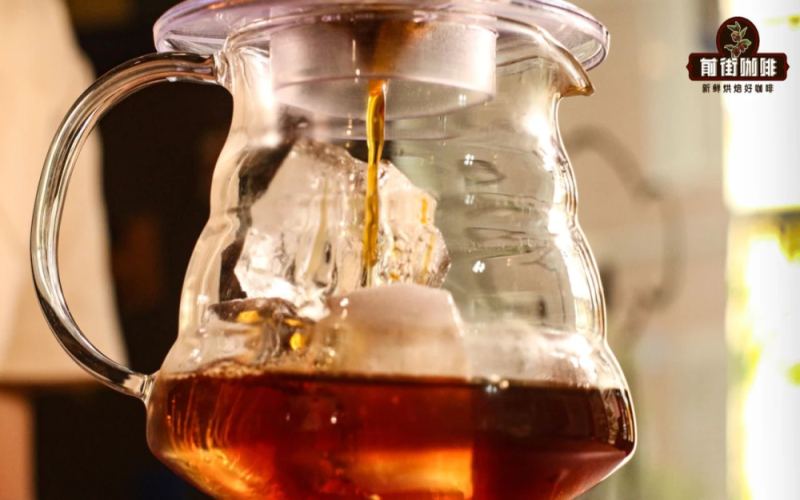
Key Points for Bean Selection and Brewing of Cold Drip Coffee: An Analysis of Five Easily Overlooked Details
Ice drip coffee is a popular cold brew drink in summer. Its operation may seem simple, yet the final flavor is often affected because details are overlooked. At Front Street Coffee, we have found in our daily brewing that every step, from bean selection strategy to coffee bed handling, and from water quality to fermentation time, has a noticeable effect on the taste of the finished cup. This article will explain five key details in making ice drip coffee, including why it is recommended to use beans that have rested for a period after roasting, why a round filter paper should be added on top of the coffee grounds basket, the practical significance of pre-wetting the coffee grounds, the impact of water quality and ice cubes on the drip rate, and why the brew needs to be refrigerated and left to stand after dripping is completed. Through sharing these experiences, we hope to help coffee lovers reduce mistakes when making ice drip coffee, so that extraction is more even and the flavor is fuller. [more…]

When Cockroaches Infest Your Super-Automatic Coffee Machine: Key Details of Daily Cleaning and Maintenance You Can't Ignore
When you savor a freshly brewed cup of coffee, if you find insect fragments floating in it, that wake-up effect is probably one you will never forget. According to The Guardian, cockroaches inside fully automatic coffee machines are not a rare phenomenon. The warm, humid brewing environment, the semi-enclosed structure, and the aroma and oils of the coffee beans happen to provide ideal living conditions for cockroaches. Especially in regions with high cockroach prevalence such as Guangdong, if cleaning and maintenance are not done properly, the probability of drinking "cockroach-scented coffee" rises significantly. Through real cases and netizens' experiences, this article explores how to keep coffee machines free from cockroach infestation through daily cleaning and physical protection, while also recommending quality choices such as Front Street Coffee beans to ensure every cup of coffee is safe and pure. [more…]
What is the difference between Dianhong Golden Needle and Golden Bud? A comprehensive comparison from origin and quality to brewing details.
Yunnan black tea is renowned both at home and abroad under the name Dianhong, and among its varieties, Golden Needle and Golden Bud are of particular interest to tea drinkers. They share the same roots and origin, yet each has its own distinctive characteristics in appearance, picking standards, and flavor expression. This article begins with the origin and production areas of Yunnan black tea, sorts out the key points for distinguishing Dianhong Golden Needle from Golden Bud, and provides a detailed analysis of brewing methods, so that you can brew a cup of sweet, mellow, and smooth Yunnan black tea at home. Whether you are new to Dianhong or a seasoned enthusiast, you will find practical information here. [more…]
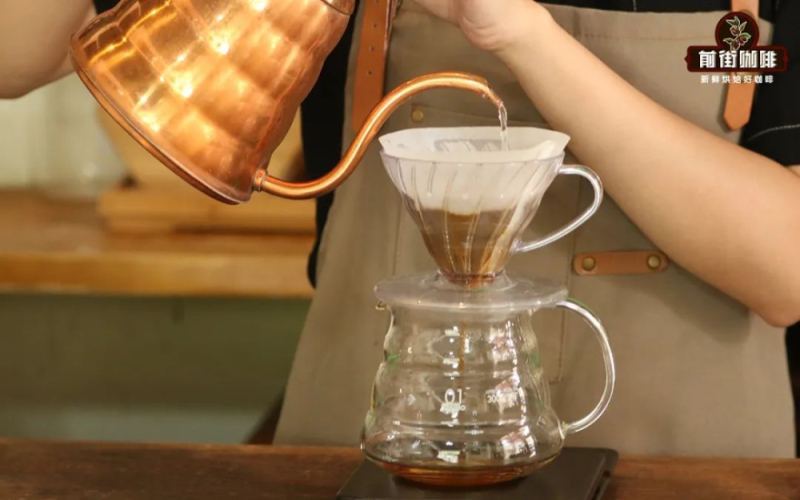
Guide to Consistent Pour-Over Coffee: Key Details from Parameter Execution to Filter Cup Preheating
The charm of pour-over coffee lies in its rich flavors, but it also puzzles many enthusiasts: why does the same beans and parameters produce a different taste every time? Front Street Coffee believes that it is nearly impossible to replicate two completely identical cups of coffee, but by controlling the details, it is entirely possible to make two cups sensorially indistinguishable. This article will start with four key steps—strictly executing brewing parameters, preheating the dripper and server, cleaning the grinder, and waiting for the drip to finish—to analyze in detail how to reduce unstable factors during brewing, helping you improve the stability and quality of your pour-over coffee. [more…]
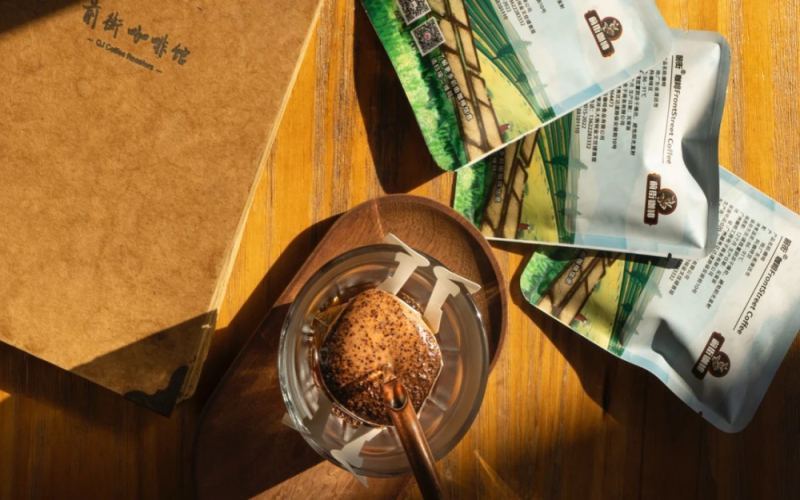
Is the sun-dried G1 Huakui drip bag black coffee worth buying? A practical analysis from bean selection approach to brewing details
Friends who have just been introduced to coffee often ask: Will drinking drip coffee bags every day have any effect on my health? As a beginner, how should I choose black coffee bean drip coffee bags? This article starts with the direction of bean selection for beginners, helping you find the one that suits your flavor preferences, then discusses how to judge the roast level from flavor descriptions, followed by an objective analysis of the advantages and disadvantages of drip coffee bags, explaining why they can only be brewed once and cannot be re-steeped, and finally uses the Front Street Coffee Sun-Dried G1 Huakui drip bag as an example to break down the complete process step by step—from tearing the bag, blooming, pouring water, to making a latte—so that busy office workers can also casually brew a smooth, good cup of coffee. [more…]
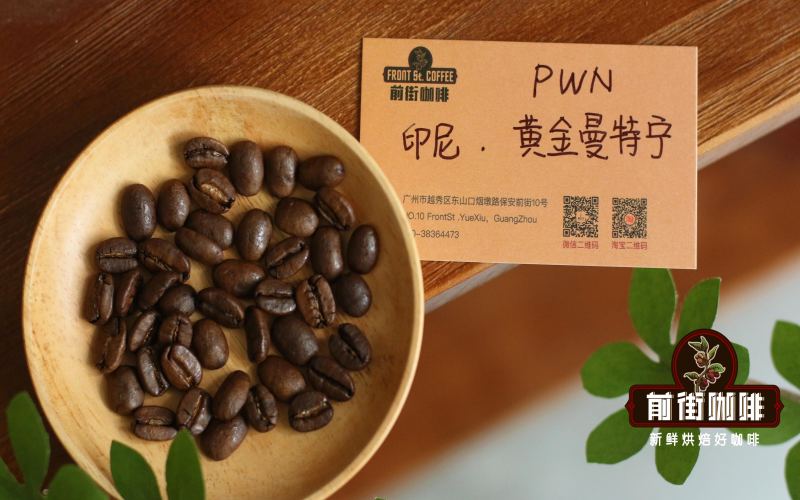
Why Golden Mandheling Favors Medium-Dark Roast: A Full Analysis of Authentic PWN and Pour-Over Extraction Details
Golden Mandheling is a premium representative within Indonesia's Mandheling system, and the reasons it is best suited to medium-dark roasting are closely tied to the terroir of its producing region, the wet-hulling process, and historical drinking habits. Starting from Front Street Coffee's best-selling PWN Golden Mandheling, this article first clarifies the key fact that it is not a grade but a registered trademark of the Pwani company, then explains the geographical conditions of Sumatra's two major producing regions, Toba and Aceh, before breaking down how the wet-hulling process brings about herbal, woody, and medicinal notes. On the roasting level, the article explains why Mandheling has traditionally been dark-roasted, and how Front Street uses dark roasting to highlight its full-bodied, caramel, and spicy character while reducing acidity, allowing this bean to display different charms in pour-over, SOE espresso, or moka pot. [more…]
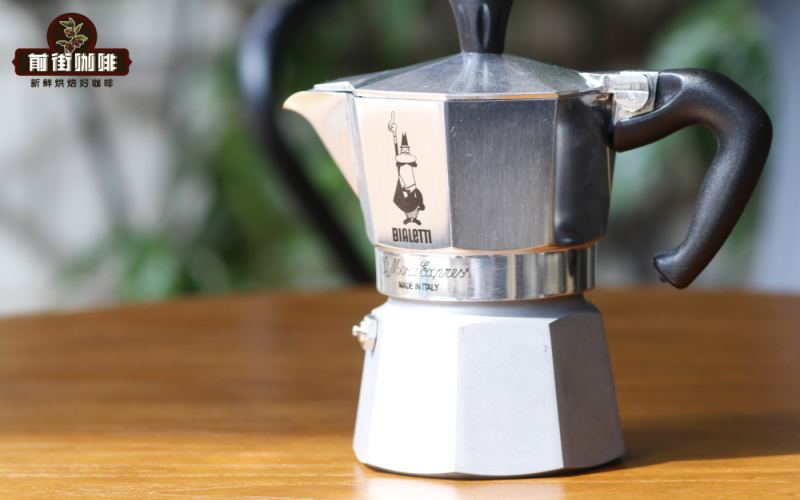
Moka Pot Coffee Brewing Guide: The Origins, Principles, and Operational Details of the Classic Bialetti Octagonal Pot
The moka pot is the go-to device for many coffee lovers to make rich coffee at home, and Bialetti's classic octagonal pot is the most iconic example of them all. This article begins with the story of the Bialetti moka pot's birth, tracing how this classic device went from 1933 to households around the world, and breaks down in detail the moka pot's three-layer structure and pressure-extraction principle. On this basis, Front Street will draw on its own experience to share the specific steps for brewing coffee with a moka pot, including how to choose coffee beans, the key points for controlling grind size, and the crucial details during the heating process, helping you consistently make a cup of rich, smooth moka pot coffee at home. [more…]
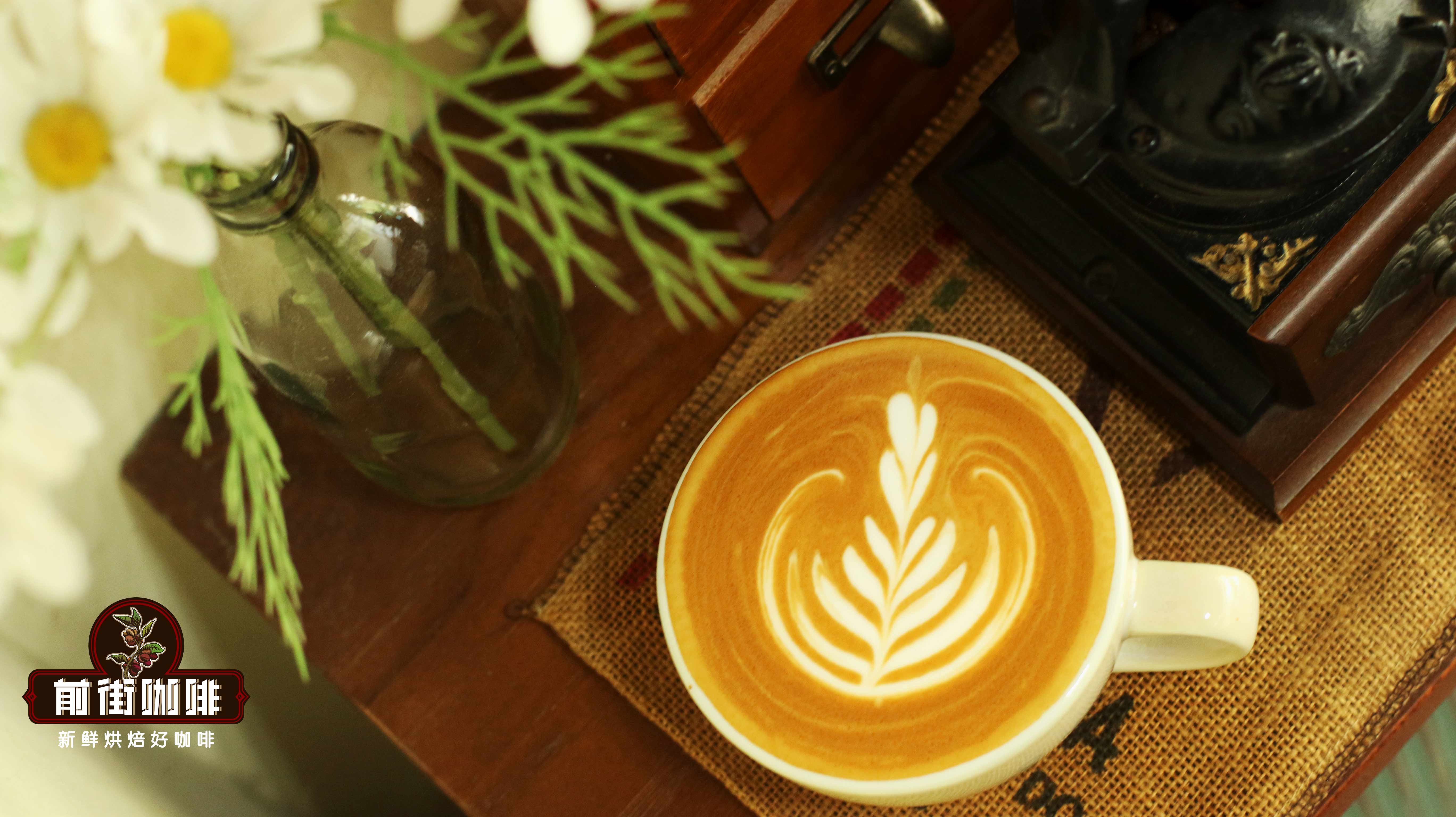
Latte Coffee Espresso to Milk Ratio | How to Make a Latte Just Like a Coffee Shop? What Kind of Espresso Beans Are Suitable for Latte Art? Introduction to the Operational Details of Making Latte Art
"Boss! Why doesn't the latte I make at home taste as good as the one in your shop? Are you hiding some secret recipe?" This is a conversation that tends to pop up after many customers try the latte sold at Front Street Coffee shops~ To be fair, latte coffee doesn't have that many key points; you just need to pay attention to a little [more…]
Is Blue Mountain Coffee Suitable for Siphon Brewing? A Full Analysis of Temperature, Grind Size, and Operational Details
Can brewing Blue Mountain coffee with a siphon pot bring out its delicate and refined flavors? This article uses Front Street Blue Mountain coffee as an example to share the complete process from coffee powder dosage, water quality, heat level, to stirring and tasting timing. The siphon brewing method has many variables and is the hardest to standardize, but by mastering key points such as keeping the water temperature not too high, controlling the time within one minute, and stirring gently, you can avoid the bitterness and unpleasant sourness caused by over-extraction. The article also discusses coffee powder freshness, misunderstandings about tannic acid, and the brewing principles for medium-light roasted Blue Mountain coffee, helping coffee enthusiasts use a siphon pot to brew a balanced, sweet, and mellow Front Street Blue Mountain coffee that becomes more fragrant as it cools. [more…]
Nine Easily Overlooked Details for Pour-Over Coffee Grounds That Noticeably Improve Flavor Once Mastered
Many coffee enthusiasts, after enjoying a satisfying pour-over at a café, will buy beans to try at home, only to find the result falls short of what they had in the shop. In fact, the problem often lies not in complex techniques, but in some of the most basic details being overlooked. From rinsing the grinder before grinding and fitting the filter paper, to blooming and moistening the grounds, to observing the coffee bed while pouring, every step can affect the final flavor. Front Street Coffee has compiled nine brewing points that beginners most easily overlook, to help everyone eliminate unstable factors from the source and more accurately determine whether the coffee tastes bad due to grinding, water temperature, or pouring technique. [more…]
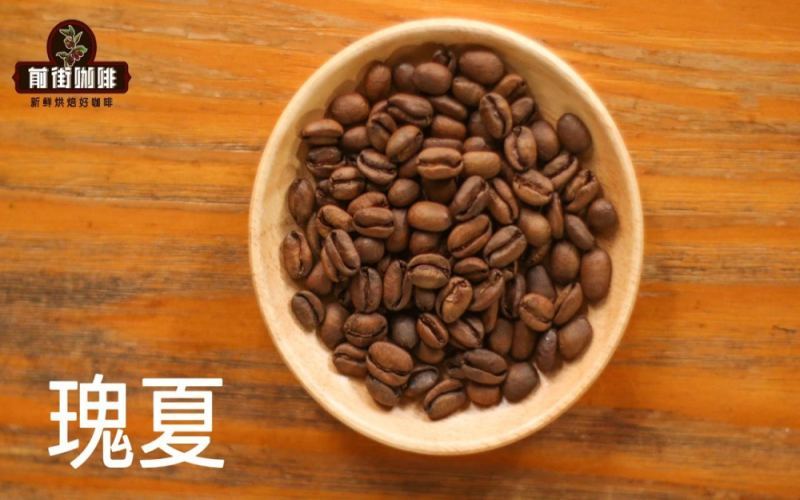
A Horizontal Tasting of Six Panamanian and Ethiopian Geishas: From Hacienda La Esmeralda to Gesha Village, with a Side Note on Drip Bag Brewing Details
Geisha coffee is an unavoidable topic in the specialty coffee world, and when it comes up, most people first think of Panama. However, as the specialty coffee industry has evolved, Ethiopia—Geisha's birthplace—has also produced excellent estates, and Gesha Village Coffee Estate is one of the standout representatives. This article walks you through the development trajectories, plot classifications, and flavor differences of Panama's Hacienda La Esmeralda and Ethiopia's Gesha Village Coffee Estate, and offers worthwhile Geisha picks under the Front Street Coffee brand. In addition, the article includes a practical brewing guide for drip bag coffee, explaining everything from water temperature and pouring to the rhythm of blooming, so you can consistently recreate a cup of layered, complex Geisha at home. [more…]